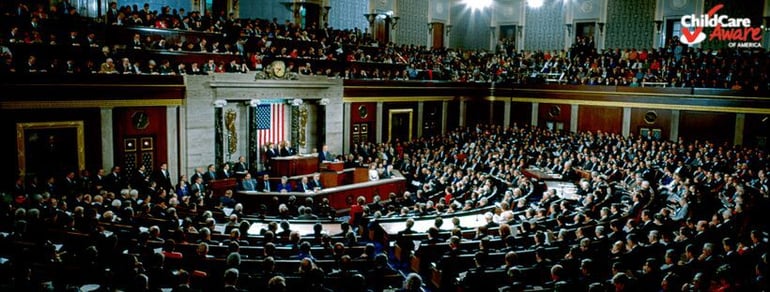

Building off a busy legislative year for child care in 2023, we are already seeing earlyindicators of which states are prioritizing child careinvestmentsthis year.This is a key moment for states to prioritize child care, as it is unclear if there is a path forward in Congress to secure significant funding in 2024 before federal relief funding is fully exhausted and attention shifts to the November elections. This blog explores the states’ legislative landscape, governors’stated priorities and what’snext for states in 2024.
Topics: Policy & Advocacy
Continue Reading
Child care providers play an essential role in the development and well-being of young children. However, the demanding nature of the job coupled with low wages may negatively affect their physical health, emotional well-being and overall quality of life. It is important for child care providers to prioritize self-care and wellness to ensure they are able to provide the best care possible for the children and families they serve. Child Care Resource and Referral agencies (CCR&Rs) can offer the support providers need to care for themselves while they care for everyone else.
Topics: Family & Community Engagement, Best Practices, Health & Safety, Brain Building Tips
Continue Reading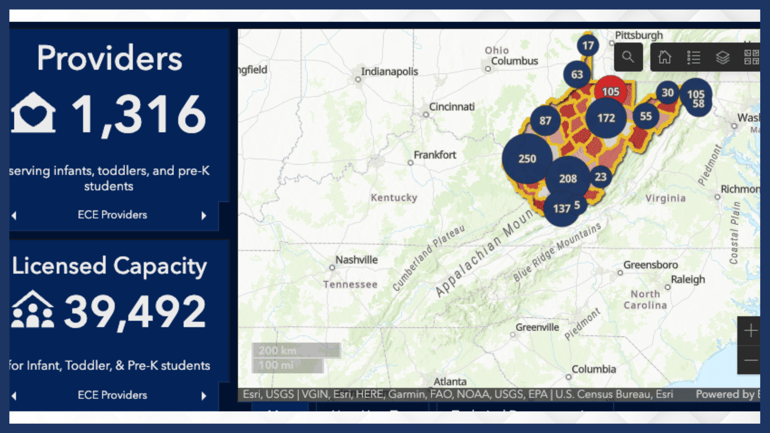
Geographic Information Systems (GIS) are a set of powerful software tools used to create and display maps that help geographically illustrate and communicate complex problems. They can also highlight potential solutions — maps can help identify assets and resources, as well as understand underlying location-based trends in datasets. This wealth of information can be key for child care advocates to educate and inform local and state decision-makers about the challenges facing the child care community and the need to advance specific policy solutions.
Topics: Policy & Advocacy
Continue Reading
While there wasn’t a major national election in 2023, voters still had the opportunity to weigh in on various state and local offices, as well as ballot measures and propositions regarding child care this year. Even off-year elections provide a valuable opportunity for child care advocates to make their voices heard for candidates and policies that will support the needs of young children and their families.

As 2023 winds down, I’m reflecting on the past year, the awe-inspiring work Child Care Aware® of America (CCAoA)has done and my gratitude to serve on the Board of Directors and share in this work. It is this community that makes our work to promote children's healthy development and learning through quality and accessible child care possible.
Topics: Systems Building
Continue Reading