
Achievement gaps start early for children in families with low incomes. Access to high-quality early care and education programs help young children develop social and emotional, language, and academic skills needed to succeed. In this blog, you will hear from Ashley, a family advocate who uses her personal experience to make the case for why it's important for states and communities to invest in early care and learning programs as one strategy for ensuring the next generation has the skills they need to overcome poverty.
Public Investments in Early Care and Education Could Help End Poverty
Topics: Systems Building, Policy & Advocacy, Family Stories
Continue ReadingChild Care Aware® of America Report Shows Snapshot of Child Care Landscape Nationally and At State Level
Washington, DC – Today, Child Care Aware® of America released its 2018 Checking In: A Snapshot of the Child Care Landscape, a report that summarizes the supply and demand for child care in each state, the average cost of licensed and accredited child care, and the services provided by Child Care Resource and Referral (CCR&R) agencies. The report also sheds light on state Quality Rating Improvement System (QRIS) and other statewide initiatives, resulting in findings that show a positive return on investment for quality child care and the overall health and wellness of children.
Topics: Policy & Advocacy, News
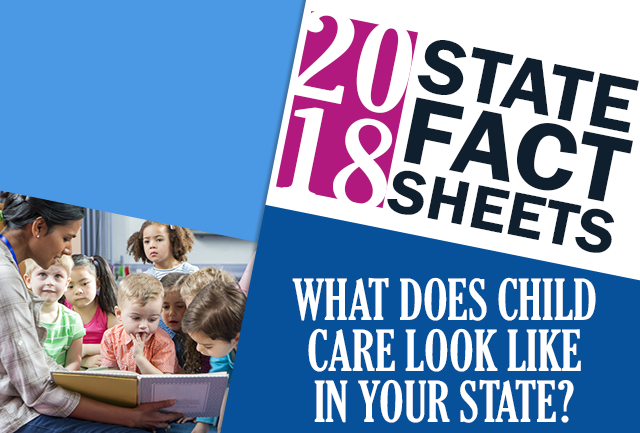
Continue ReadingThe 2018 State Fact Sheets Shows How the Current Landscape is Affecting Working Families
The evidence is clear - children who participate in high-quality programs during their early years demonstrate lasting effects in IQ, boosted academic and economic achievement, and lower incidences of childhood obesity and chronic illness. With nearly 15 million children under 6 who may need child care each day, the stakes have never been higher for families across the United States and for our economy. Economists have shown that investing in high-quality child care has proven to result in a 13 percent return on that investment, per child. Families without access to quality child care due to high cost, irregular work hours, or inadequate supply, are at an extreme disadvantage; their children and our society lose out. Help for families struggling to pay for quality child care is pivotal to supporting quality child care across the country.
Topics: Systems Building, Workforce, Policy & Advocacy
Continue ReadingSenate Holds Hearing on Paid Family Leave for Working Families
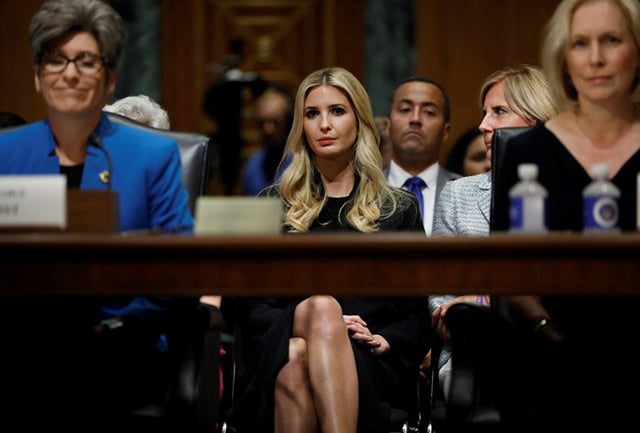
On July 11, the Senate Finance Subcommittee on Social Security, Pensions and Family Policy hosted a hearing examining the importance of paid family leave. Subcommittee Chairman, Bill Cassidy (R-LA), and Ranking Member Sherrod Brown (D-OH) sponsored the hearing and witnesses included Senators Joni Ernst (R-IA) and Kirsten Gillibrand (D-NY), along with Dr. Andrew Biggs from the American Enterprise Institute, Vicki Shabo of the National Partnership for Women and Families, and Carolyn Boyle from Deloitte Services, LLP.
Topics: Systems Building, Policy & Advocacy
Continue ReadingWhy do parents spend so much on child care, yet early childhood educators earn so little?
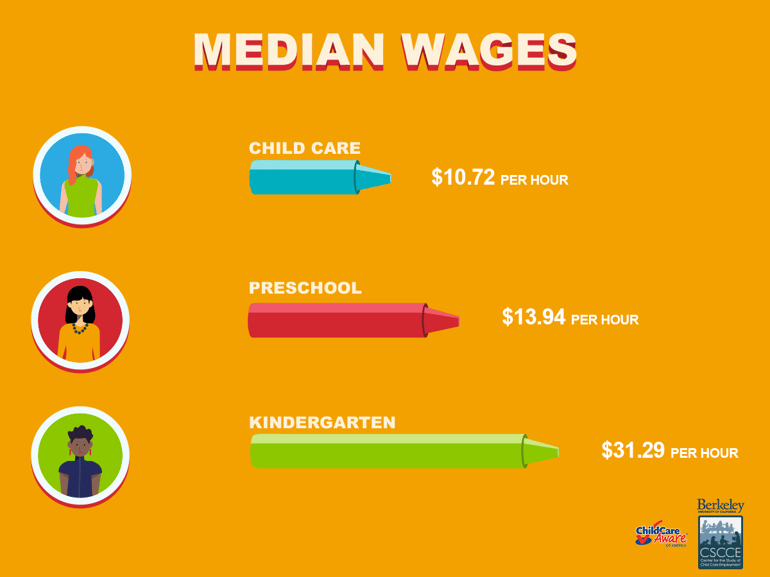
For more than 10 years, Child Care Aware® of America (CCAoA) has reported on the unaffordability of child care for parents in states across the country. We’ve been expanding that reporting by diving deeper into county-level costs and exploring national, state-and community-level financing solutions to provide working families with some relief. Even as we’ve kept discussions on the unaffordability of child care going strong, we are often asked, “If parents are paying too much of their household budgets on child care, why are child care providers still struggling to make ends meet?” It’s a good question – one that I’ve had since I started CCAoA!
Topics: Systems Building, Workforce, Policy & Advocacy, Family Stories
Continue ReadingSenate Appropriations Committee Approves FY 2019, Labor, Health and Human Services, and Education Appropriations Bill
Earlier today, the Senate Appropriations Committee approved a FY 2019 spending package by a 30-1 vote that proposes funding levels for child care and other early childhood programs for next year. The bill includes $5.3 billion for the Child Care and Development Block Grant (CCDBG), which is the same level the House Appropriations Committee proposed earlier this month, and honors the two-year congressional budget deal. The legislation urges states to use the funding to assist in compliance with the 2014 law and expand access to quality, affordable care.
Topics: Policy & Advocacy
Continue Reading