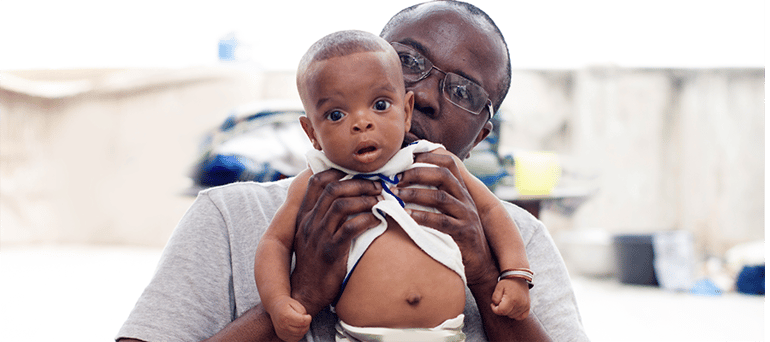
COVID-19 has changed the day-to-day lives of many families with babies and young children. Some parents are seeking ideas for additional ways to interact with their children because they are now working from home or spending more time at home because of social distancing. On the other hand, some parents may have less time with their children because they are working on the front lines of the pandemic: health care professionals, emergency responders or other workers in essential businesses or services. For all families, everyday routines such as mealtime, playtime or bedtime – or even diaper changing – offer opportunities to connect with children and build their developing brains. Vroom®, a global early childhood initiative, offers free tips to parents on how to add learning to daily routines.
At-Home Brain-Building Tips for Families with Children Ages Birth to Five
Topics: Family & Community Engagement, Best Practices, Parenting, Health & Safety, Brain Building Tips
Continue ReadingToy Safety: Making Safe Choices This Holiday Season So Children Can Have Fun
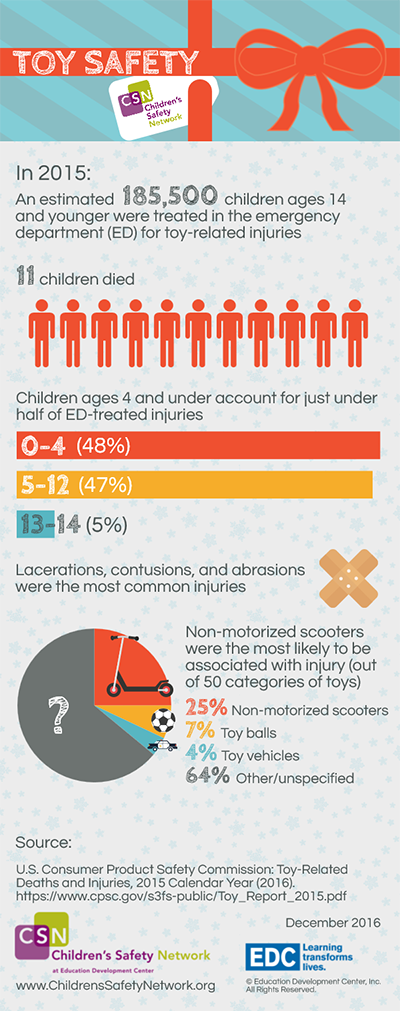
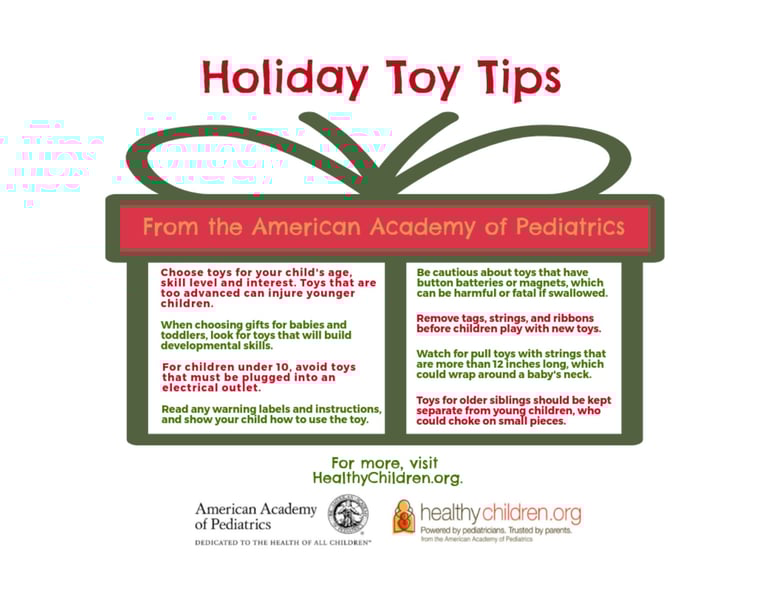
The holiday season is a great time for family, friends and fun. It's also a time for giving gifts, especially for our excited little ones. When purchasing toys for our little ones, it's important that they are not only age appropriate but safe.
Topics: Parenting, Health & Safety, emergency preparedness
Continue ReadingNational Infant Immunization Week is Only A Week Away
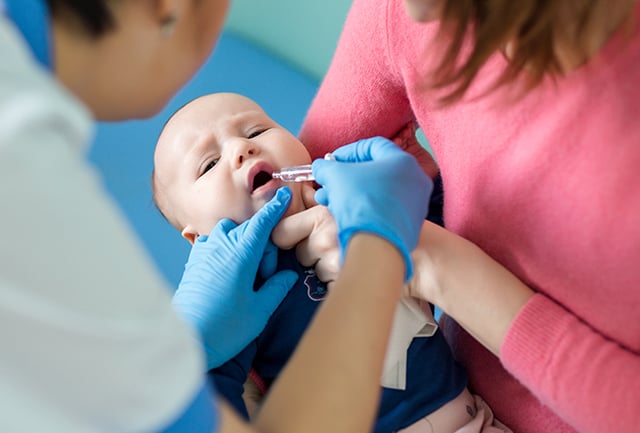
From April 21 – 28, the Centers for Disease Control and Prevention (CDC) along with partners, community leaders, healthcare professionals and stakeholders, will observe National Infant Immunization Week (NIIW). This annual observance highlights the importance of protecting infants from vaccine-preventable diseases and celebrates the achievements of immunization programs and their partners in promoting healthy communities.
Topics: Best Practices, Parenting, emergency preparedness
Continue ReadingHoliday Toy Safety: Making Smart Choices While Allowing Children to Have Fun
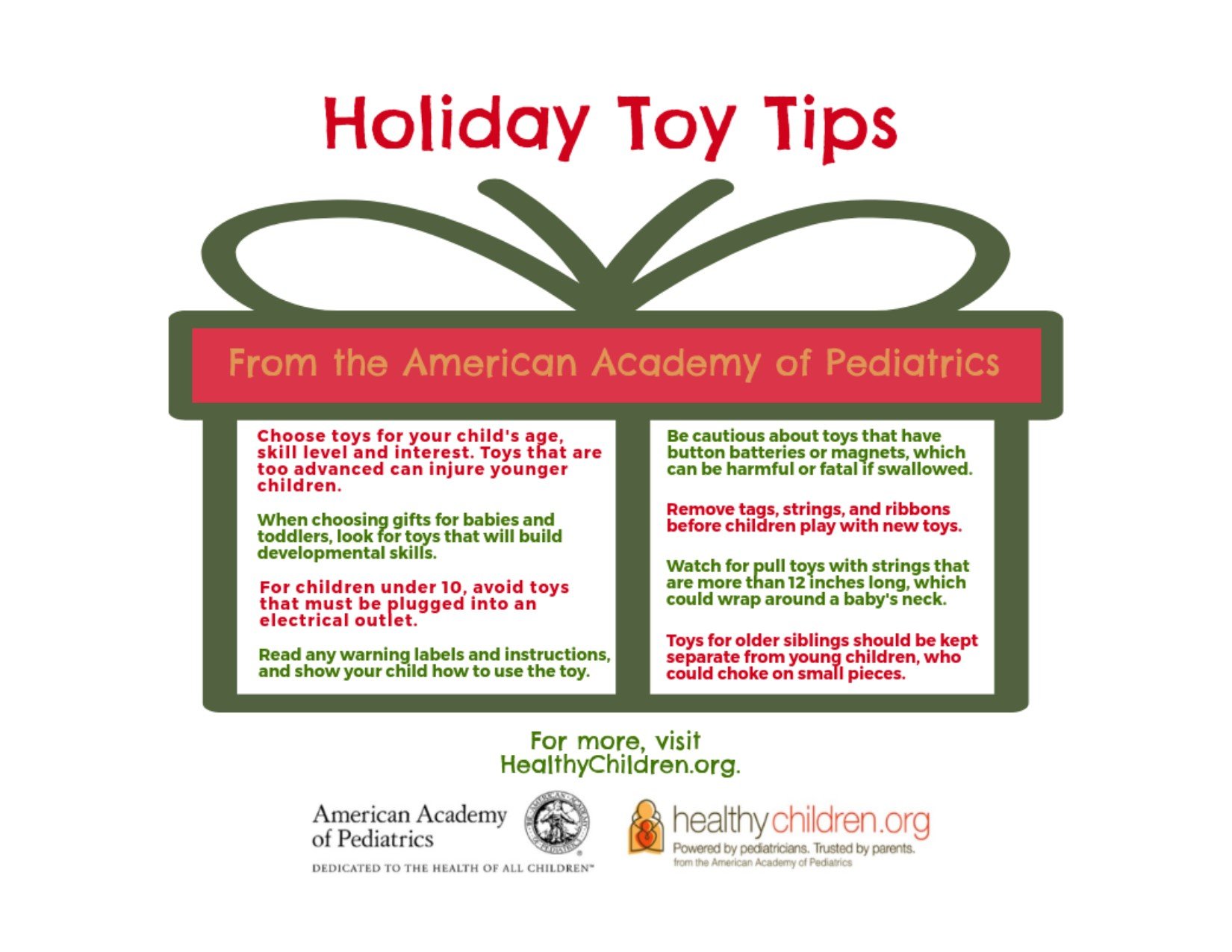
The holiday season often brings an abundance of excitement for young children who anticipate receiving new toys and games. The gift givers’ tasks aren’t accomplished by simply finding and buying the wish list items—attention also needs to also be paid on ensuring that gifts are age appropriate and pose no safety hazards.
Topics: Parenting, Health & Safety, emergency preparedness
Continue ReadingInclude Emergency Planning on Your Back-to-School Checklist
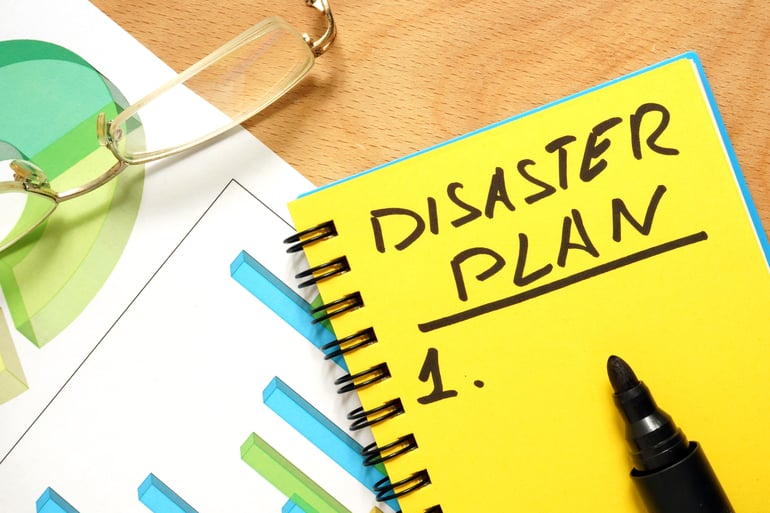
As you cross off important items on your family’s back-to-school checklist, don’t forget to be proactive in learning more about the emergency plan at your child’s school or child care program. All schools and before/afterschool child care programs should have an emergency plan in place to prevent, prepare for, respond to, and recover from emergency situations, such as fires, natural disasters (tornadoes, hurricanes, wildfires, etc.), bomb threats, and dangerous intruders. Ask your child’s teacher or school administrator for details about their plan, and seek clarifications if you do not fully understand components of the plan.
Topics: Systems Building, Best Practices, Parenting, Health & Safety, emergency preparedness
Continue ReadingHoliday Toy Safety – Making Smart Choices While Allowing Children to Still Have Fun
The holiday season often brings an abundance of excitement for young children who anticipate receiving new toys and games. The gift givers’ tasks aren’t accomplished by simply finding and buying the wish list items—attention also needs to also be paid on ensuring that gifts are age appropriate and pose no safety hazards.
Topics: Best Practices, Parenting, Health & Safety, emergency preparedness
Continue Reading