A solar eclipse will take place on Monday, August 21 for the first time in the lower 48 U.S. states since 1979. During a solar eclipse, the moon passes between the sun and the Earth and blocks all or part of the sun for up to three hours, from beginning to end. On Monday, the longest period when the moon will completely block the sun—a total eclipse—will be about 2 minutes and 40 seconds and will only happen along the “path of totality” (below).
Spotlight:
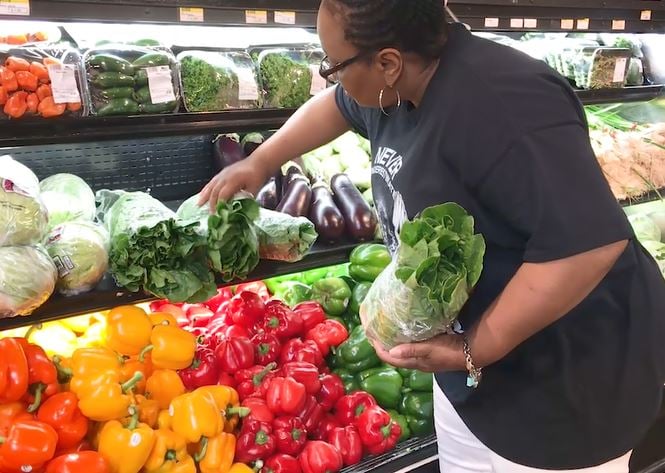
Celeste Joyner, Children’s College, Baltimore, MD
The Problem:
Two vegetarians, one pescatarian (who eats fish but no other meat), five omnivores. How does one provider feed such a diverse group of eaters?
Topics: Family Stories, Best Practices, Health & Safety
Continue Reading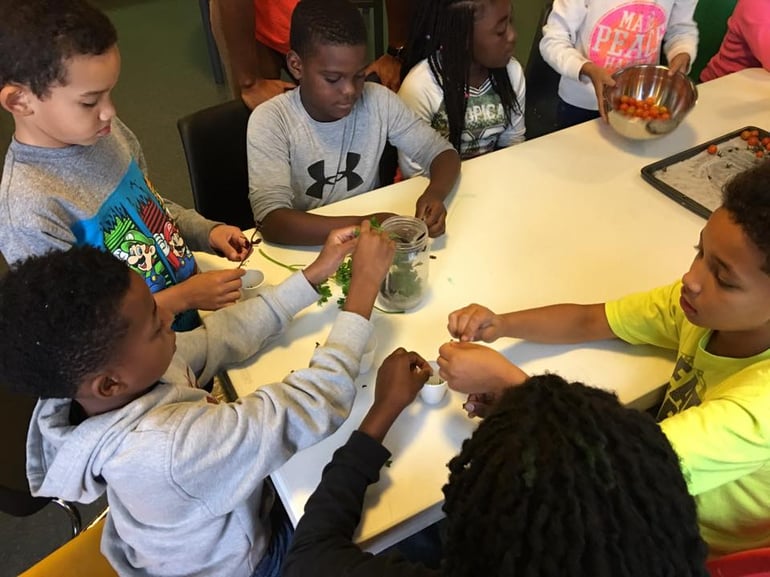
Backpack, paper, pencils, and homework folder: for many families, that’s the standard shopping list for back-to-school season. However, one key item is missing: your child’s afterschool program! Choosing the perfect program for your child can make the transition from early child care to aftercare seem daunting, but it doesn’t have to be! We want to provide you with some tips that will make choosing a program easy and exciting.
Topics: Systems Building, Parenting
Continue Reading
The Problem:
Sometimes an adult (parent/caregiver/early childhood educator) has a temperament that is vastly different from that of a young child. How do you bridge the gap and foster a loving, supportive relationship?
Topics: Health & Safety
Continue Reading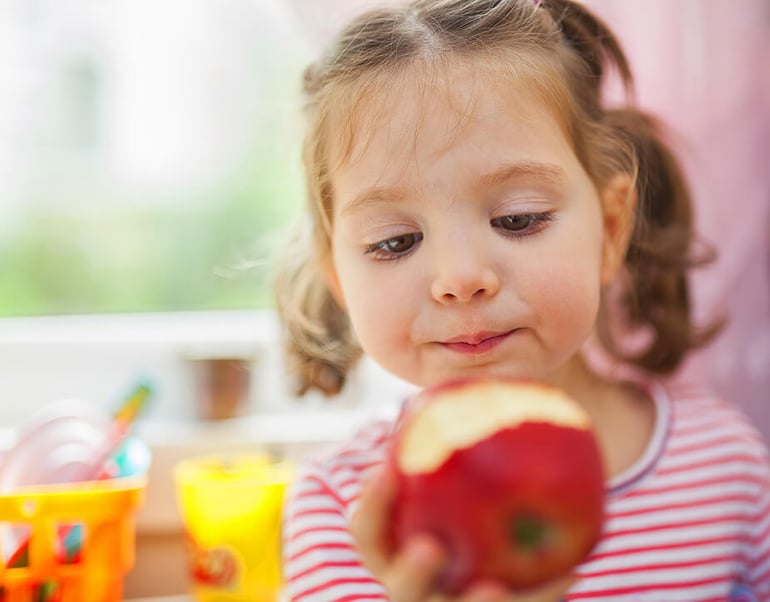
Establishing healthy habits in early childhood is critical to the early care and education setting. The Child and Adult Care Food Program (CACFP) is an important part of shaping the meals and snacks that child care providers serve for children and staff of all ages. New documents and training resources have recently been released by the USDA to help participants with the transition to implementing new meal patterns by October 1, 2017. In addition to these resources, the USDA released updated payment rates and a new labeling verification tool to help providers plan for meals and credit food more accurately, to make it easier for children to receive proper nutrition at every meal and snack time.
Topics: Health & Safety
Continue Reading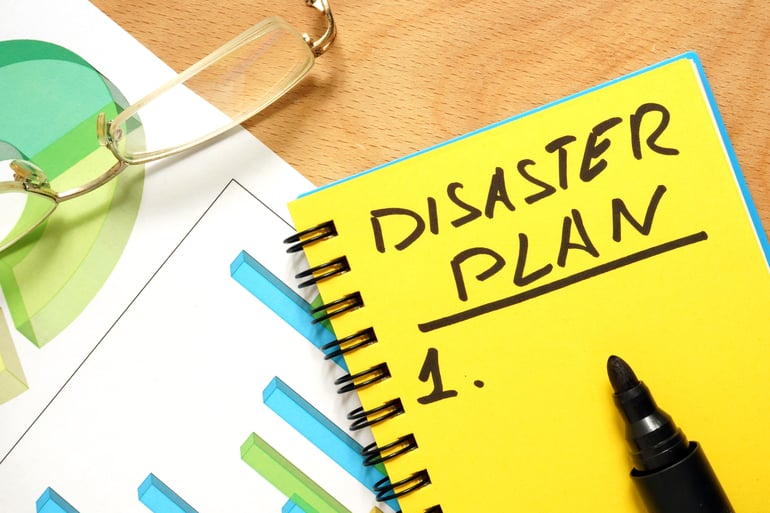
As you cross off important items on your family’s back-to-school checklist, don’t forget to be proactive in learning more about the emergency plan at your child’s school or child care program. All schools and before/afterschool child care programs should have an emergency plan in place to prevent, prepare for, respond to, and recover from emergency situations, such as fires, natural disasters (tornadoes, hurricanes, wildfires, etc.), bomb threats, and dangerous intruders. Ask your child’s teacher or school administrator for details about their plan, and seek clarifications if you do not fully understand components of the plan.
Topics: Systems Building, Best Practices, Parenting, Health & Safety, emergency preparedness
Continue Reading