
It’s September! And as you may know, each September is recognized as National Preparedness Month. Preparedness Month promotes family and community disaster planning now, during the month, and throughout the year.
National Preparedness Month
Topics: Business Operations for CCR&Rs, Professional Development, Best Practices, Health & Safety, emergency preparedness
Continue ReadingCarbon Monoxide Poisoning Prevention
Carbon Monoxide
Emergency events or disasters can happen anywhere at any time. And with some types of events, power may be lost or turned off for a period of time. Luckily, generators are a good source of power for your home or business and can be used relatively easily. However, it is important to use a generator safely to reduce the risk of carbon monoxide poisoning.
Topics: Business Operations for CCR&Rs, Best Practices, Health & Safety, emergency preparedness
Continue ReadingParents & Employers Pay the Price: COVID-19 Erodes Child Care Systems
The COVID-19 public health crisis is heightening awareness of child care as a core foundational need for both working parents and employers. Under typical circumstances, parents need accessible, safe and affordable child care so they can work. Employers also need quality child care options for their employees for their business to work. This year (2020) has been anything but typical. The COVID-19-induced erosion of an already broken child care system is having critical impacts on both parents with young children and their employers.
Topics: Systems Building, Workforce, Parenting
Continue ReadingHand Sanitizer Alert: Toxic Ingredient Found in Some Brands
Editor's Note: This post was originally published on July 15, 2020 but has since been updated with information from a new alert from the FDA about sanitizers that include isopropyl alcohol as an ingredient.
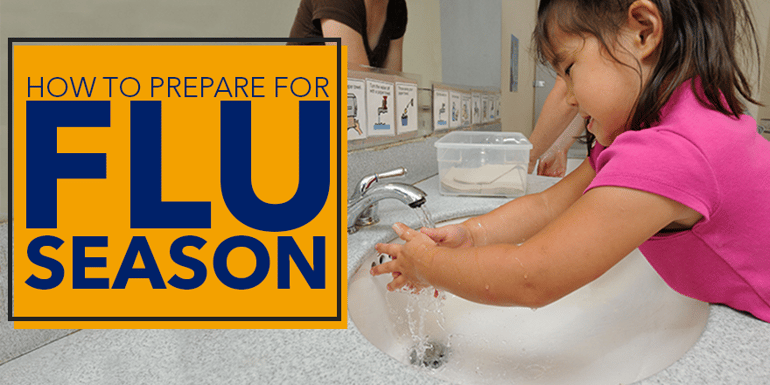
Child care providers implement hand hygiene procedures to keep children in care, their families and themselves healthy and well. The COVID-19 pandemic has resulted in increased hand hygiene vigilance in child care programs to protect against viral spread. Health experts recommend using hand sanitizer that contains at least 60% alcohol when hand washing with soap is not feasible. Hand sanitizer that once was extremely difficult to access early on in the coronavirus crisis, now is increasingly becoming more available. As a result of the pandemic, new hand sanitizer brands and products are being introduced into the consumer market. Unfortunately, some of the emerging hand sanitizer products are not safe to use, prompting alerts by the Food and Drug Administration (FDA) and the Centers for Disease Control (CDC).
Topics: Parenting, Health & Safety
Continue ReadingGrieving Children in a Pandemic: How Can Child Care Providers Help?
These are anxious times for our nation. Children, parents and child care providers are all carrying an extra burden as they deal with the demands and uncertainties of the COVID-19 pandemic. This is an especially difficult time for a child to experience the death of a family member or friend.
Even in the best of times, child care providers and other educators play a unique and powerful role in supporting grieving children. For example, educators can help children understand basic concepts about death. They can be available to talk, and—more importantly—listen to children at a time family members may be less available because of their own grief. Educators can also make accommodations in learning and social activities if children are struggling academically or socially.
Clean & Safe Child Care: How to Access and Pay For COVID-19 Supplies
A few months after the COVID-19 pandemic hit the United States, Child Care Aware® of America (CCAoA) surveyed Child Care Resource and Referral (CCR&R) agencies. In response to the survey, 163 CCR&R professionals from 41 states relayed the most pressing concerns they are hearing from child care providers. Locating and purchasing disinfecting supplies and personal protective equipment (PPE) were among the top 5 concerns.
Topics: Business Operations for CCR&Rs, Health & Safety
Continue Reading